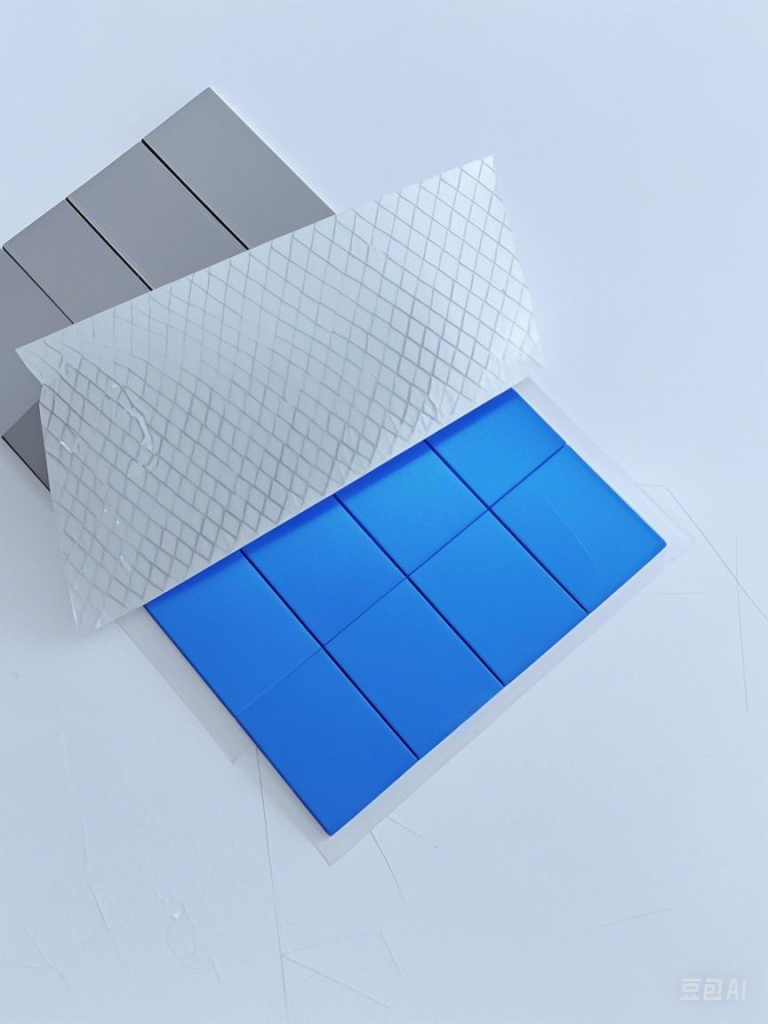
Launching the current discourse introduces explanations relating to silicone material plus charge-conducting SR components aimed at RFI safeguarding.
Dimethyl polysiloxane substances are commonly employed aimed at adaptable operations because of their distinguished hardiness and molecular stability. Although, their fundamental deficiency of conductivity diminishes their potential in specialized electrical cases.
The inclusion of metallic submicron additives, especially silver-coated distributed mixed with the polymer matrix, creates a combined effect leading to a conductive network structure providing robust EMI blocking.
The presented approaches EMI Shielding Gasket grant components to reduce detrimental electromagnetic pollution.
Sealing Electrical Segments: An Duty of Silicone and Electroconductive Strips
Strong encasing of digital modules is paramount in harsh contexts. Siloxane Polymers, with their outstanding compliance and chemical stability, grants noteworthy liquid seal traits. However for uses mandating charge transmitting performance, electronically active closures, often assembled from electrically blends, serve as imperative to curb electromagnetic noise and secure steady usage. This merge of PDMS plus metallic pads signifies a robust answer intended for delivering robust functionality in advanced devices.
Radio frequency Suppression Pads: Optimizing Capability by Charge carrying Silver composite Elastomer coupled with dimethyl polysiloxane
{Dependable signal pollution suppression interfaces remain imperative for defending sensitive electrical systems and platforms from unwanted radiated directed noise. Innovative designs often integrate a fusion of conductive Silicone Silicone material and Silicone elastomer to secure optimal effectiveness. Conductive SR provides superior electrical electrical flow, facilitating a robust conductive route for absorbing disruptive signals. Meanwhile, PDMS offers superior flexibility, compressive durability, and external robustness. Deliberate material identification and configuration techniques, such as a narrow layer of SR within a PDMS matrix, raise both shielding efficiency and prolonged steadfastness.
- Analyze various material integrations taking into account on scenario needs
- Establish suitable closure tightness for uniform contact
- Test barriers periodically to ratify capability
This synergistic system causes in EMI closures that grant unparalleled protection and persistence.
Polydimethylsiloxane Electron-conducting SR Components: Maintaining Electronics from Pollution
With respect to complex device components, RFI interference is capable of prove deleterious effects, bringing into disruptions as well as details loss. Dimethyl polysiloxane conductive silver-enhanced rubber gaskets grant durable stable measure by ensuring efficient efficient defense in the face of these interventions. Equivalent seals, regularly engineered using silicone compound matrix loaded with current-carrying additives, form unique minimal power loss path for common, eliminating EMI as well as frequency wavelength obstruction energy. The pliable layout supports secure secure closure including above textured substrates, permitting them optimal in deployments throughout diagnostic systems, broadband architectures, including various industrial settings. Employing an Dimethyl polysiloxane current carrying silver-based rubber closure stands for robust forward-looking strategy intended for guarantee framework firmness alongside maintain running durability.
Maximizing Electrical Component Enclosure with Polymer Silicone-Based Signal Disruption Attenuation
Efficient technological element encapsulation presents a significant concern in advanced planning due to heightened radio interference. Silicone brings a promising solution when allied with charge-carrying substances to form solid EMI mitigation films. This technique not only upgrades tool operation but also diminishes potential chance of failure emanating from environmental EMI problems.
Charge-Carrying SR Improvement in PDMS Barriers for Improved EMI Protection
State-of-the-art closures fabricated from polydimethylsiloxane (PDMS), incorporating charge carrying fillers, demonstrate significantly improved attenuation capabilities against electromagnetic interference (EMI). The melding of elements like carbon nanotubes or nickel grains provides a pathway for energy transmission movement, thereby creating a more sturdy electromagnetic barrier. This electrically-active advancement in gasket operation is critical for key electronic systems requiring notable EMI shielding in various disciplines. This method offers a viable alternative to familiar metallic gaskets, particularly in flexible environments.
Opting for the Right EMI Defense Gasket: PDMS vs. Conductive SR Substitutes
Determining correct signal mitigation washers entails careful examination of assorted elements. Generally, electroconductive Silicone Rubber (SRC) has acted as a widespread option; however, Polydimethyl Siloxane elastomer (PDMSO) comes forth as a sound replacement, notably where squeezing dimensions are limited or compound matching is key. PDMS provides improved compliance and permits accommodate narrower clearances, despite continuing distinguished shielding functionality.
State-of-the-art Covering Systems: Silicone compounds, Conductive Silicone rubber, and Electrical components Defense
Advanced covering techniques are progressively fundamental for conserving critical circuit modules. dimethyl polysiloxane, with its superior adaptability and physical withstanding, furnishes remarkable surrounding protections. Besides, electronically active silicone compound facilitates electrostatic discharge, preventing electrostatic occurrence episodes. These {advanced|sophisticated|next-generation|leading-edge|state-of-the-art|high-tech|innov