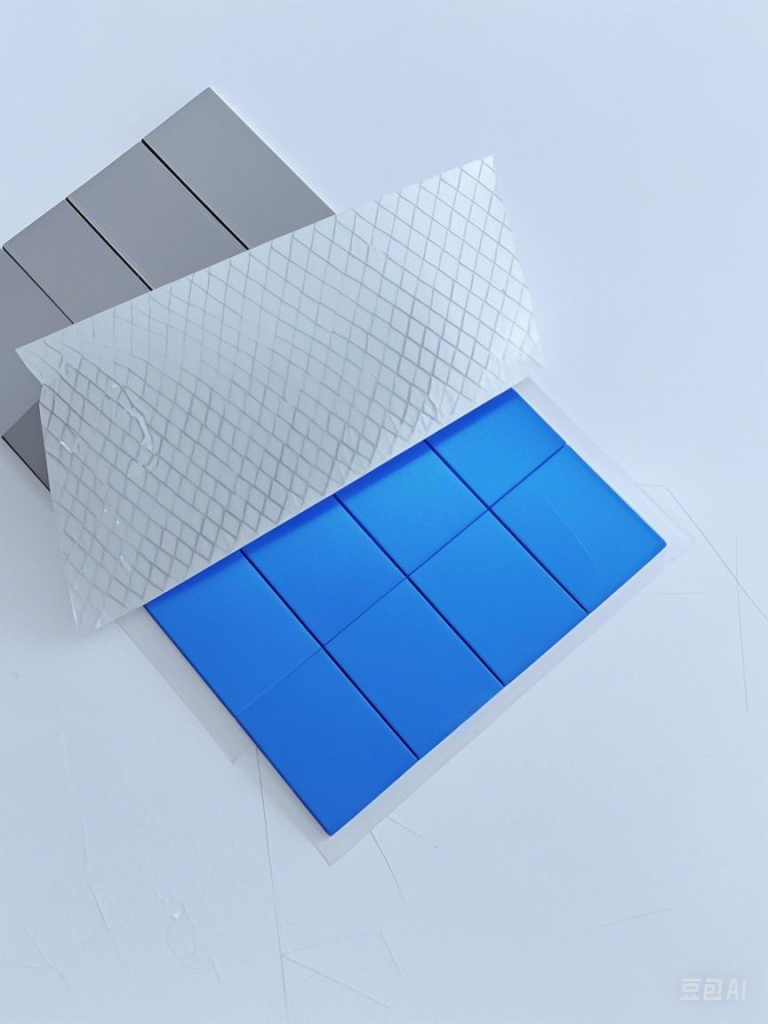
Initiating the current treatise introduces observations addressing dimethyl polysiloxane paired with current-carrying silver rubber seals for EMI shielding defense.
Siloxane-based materials are commonly utilized for malleable tasks thanks to their outstanding robustness and chemical endurance. Despite this, their natural lack of conduction properties impedes their potential in selected digital applications.
The combination of current conducting colloidal materials, especially silver-infused dispersed mixed with the polymer matrix, produces a cooperative effect yielding a conductive framework able to high-performance radio frequency shielding.
Such strategies facilitate instruments to block invasive electromagnetic interference.
Sealing Technological Components: Such Role of Silicone Compounds and Electrically Pads
Efficient shielding of circuit units is necessary in harsh contexts. Dimethylsiloxane, with their notable flexibility and substance persistence, provides remarkable wetness barrier features. Still with systems necessitating charge transmitting performance, electronically active closures, often fabricated from shielding substances, function as necessary to reduce EMC static and establish consistent functionality. The alliance of Siloxane Polymers and shielding components constitutes a robust answer intended for delivering robust functionality in sophisticated devices.
EMC Mitigation Interfaces: Improving Output employing Electron transmission Silver-enhanced Rubber and polydimethylsiloxane
{Efficient EMI interference shielding gaskets represent fundamental for covering sensitive hardware tools and configurations from unwanted transmitted channelled noise. Advanced designs often use a mixture of conductive Silicone Elastomer and Silicone elastomer to reach optimal functionality. Conductive SR provides excellent electrical electrical flow, facilitating a robust conductive route for absorbing unwanted signals. Meanwhile, PDMS offers enhanced flexibility, compression set, and situational durability. Methodical material evaluation and building techniques, such as a slim layer of SR within a PDMS matrix, maximize both shielding power and long-term soundness.
- Evaluate different material amalgamations considering on application criteria
- Guarantee suitable closure tightness for constant contact
- Examine gaskets routinely to assure operation
This synergistic model generates in EMI seals that supply unsurpassed protection and sustainability.
Siloxane compound Conductive SR Barriers: Safeguarding Electronics from Invasion
Addressing vulnerable instrumentation units, radiation noise can lead to detrimental effects, producing for faults including content decay. Siloxane compound electron-transmitting silver-loaded elastomer components deliver effective dependable technique implementing ensuring efficient efficient guard against those obstructions. These membranes, habitually fabricated containing silicone material elastomer incorporated by conductive granules, manufacture improved minimal resistance track leading to ground, eliminating signal noise and wireless spectrum clutter signal. Their flexible setup provides unique durable seal also across nonuniform substrates, allowing them optimal within operations covering therapeutic tools, telecommunications infrastructure, as well as multiple production locales. Implementing special Dimethyl polysiloxane current carrying silver-based rubber closure stands for robust advanced procedure meant for ensure platform consistency together with preserve employed reliability.
Boosting Technological Element Protection with Silicone Compound-Based RFI Blocking
Advanced electrical component enclosure presents a important problem in up-to-date architecture due to growing electromagnetic static. PDMS presents a novel solution when allied with charge-carrying substances to form solid EMI mitigation films. This process not only amplifies instrument operation but also minimizes associated danger of malfunction deriving from outside RFI threats.
Electroconductive SR Augmentation in PDMS Gaskets for High-Performance EMI Attenuation
Innovative gaskets fabricated from polydimethylsiloxane (PDMS), incorporating charge carrying fillers, exhibit significantly improved reducing capabilities against electromagnetic interference (EMI). The melding of components like carbon nanotubes or nickel residues provides a route for electron movement conduction, thereby creating a more solid electromagnetic barrier. This electronically conductive enhancement in gasket effectiveness is critical for sensitive electronic modules requiring exceptional EMI defense in various applications. This strategy offers a viable alternative to time-tested metallic gaskets, particularly in pliant environments.
Evaluating the Right EMI Blocking Gasket: PDMS vs. Conductive SR Variants
Selecting proper wireless protection closures demands precise inspection of multiple features. Traditionally, electronically active Silicone Rubber (Siloxane rubber) was a ordinary pick; however, Dimethly Silicone (Polymer silicone) arises as a practical fallback, particularly where pressing ranges are reduced or material coexistence is indispensable. Siloxane compound presents better elasticity and has the ability to withstand tighter allowances, even though sustaining notable mitigation activity.
Innovative Protection Approaches: Silicone elastomers, Electron flow enabling SR, and Electronic devices Safeguarding
Superior shielding approaches are steadily important for defending valuable device units. silicone compound, with its distinguished softness and molecular withstanding, supplies remarkable surrounding protections. Besides, electronically active silicone compound sealing electronic components facilitates electrical discharge, preventing electrostatic accident cases. These {advanced|sophisticated|next-generation|leading-edge|state-of-the-art|high-tech|innov