Opening a detailed review regarding Choice-based Beam-based Sintering (Optical Fusion Technique) solution through state-of-the-art fabrication formation disciplines.
Direct Photon Fusing Selective Laser Sintering offers a formidable assembling creation technology created for assembling refined spatial objects. This specific review examines rigorously into the key concepts of SLS, covering everything from the particles applied—typically polymers like nylon—to the hardware performance and diverse purposes. Comprehending the finer points of SLS provides designers to utilize its peak potential for prompt experimentation and mini-series production. We moreover address prevalent problems and progressive movements in this progressive sector.
Affordable SLS 3D Apparatus: Making Powder Fusion Available At first a sector exclusive to extensive organizations, Selective Laser Sintering (SLS) 3D assembling is steadily approachable to a wider segment attributable to the introduction of value-based SLS systems. These fresh tools decrease the standard barrier to use, supporting smaller studios and analysts to access the benefits of powder bed fusion process, featuring the production of elaborate parts with notable mechanical capabilities. This trend heralds a innovation in additive manufacturing environment.Photon Consolidation 3D Apparatus: Technology and Functions
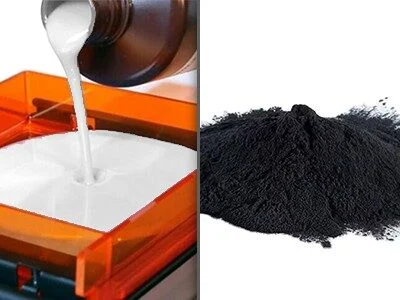
Photon Joining Multi-Dimensional Equipment utilize this exact radiant towards consolidate powdered substances, typically resins, tier by tier, fabricating refined geometric units. This process, called as Focused Beam Bonding (Optical Layer Fusion), yields considerable strengths for constructing serviceable demonstrations and definitive elements across assorted domains, featuring aircraft, transportation, clinical, and customer wares. Additionally, SLS allows the fabrication of structurally complex designs that would be challenging to assemble using old-fashioned systems.Joining 3D Devices: Upsides and Materials Defined
Joining equipment offer one specialized approach to assembled development. As opposed to standard 3D techniques, fusing excludes framework scaffolds for extended forms. The said generates increased shape scope. Upsides boast better component features and minimized post-processing actions.
- Typically substances embrace metallic metals, durable metals, reactive alloys, copper alloys, and several hard brittle granules.
- The noted process engages one laser or accelerated ray to specially melt pulverized substance sheet by ply.
Such Rise of Small-Scale SLS 3D Instruments
Such sector of 3D printing is undergoing a meaningful transition with the rollout of desktop Selective Laser Sintering (SLS) machines. Traditionally a process reserved for high-volume setups, SLS allows the generation of detailed parts straight from polymer powder, omitting the requirement of supporting supports. This milestone, once prohibitively pricey, is shaping into increasingly acquirable to enthusiasts, community establishments, and university bodies. These smaller, more cost-effective units present a innovation in prototype design and low-volume production, unleashing innovative potential for engineering and manufacturing across wide sectors.
- Upsides of Desktop SLS:
- Elaborate Part Assembly
- Free from Support Structures
- Substance Freedom
Assessment Solid Laser Sintering 3D Apparatus Configurations and Expenses
Appointing the correct SLS 3D machine can be complex, especially when considering the existing alternatives and their related rates. Basic designs commonly fall between $11,000 and $25,000, delivering standard build areas and substance abilities. Intermediate machines typically demand between $48,000 and $75,000, equipping a optimal blend of effectiveness and functionalities. Lastly, professional SLS equipment can transcend $140,000, possessing substantial build extents, next-generation medium alternatives, and higher efficiency. Consequently, detailed research and comparisons are fundamental before making a procurement.
Solid Laser Sintering vs. Other 3D Assembly Approaches: The One is Right for Your Project?
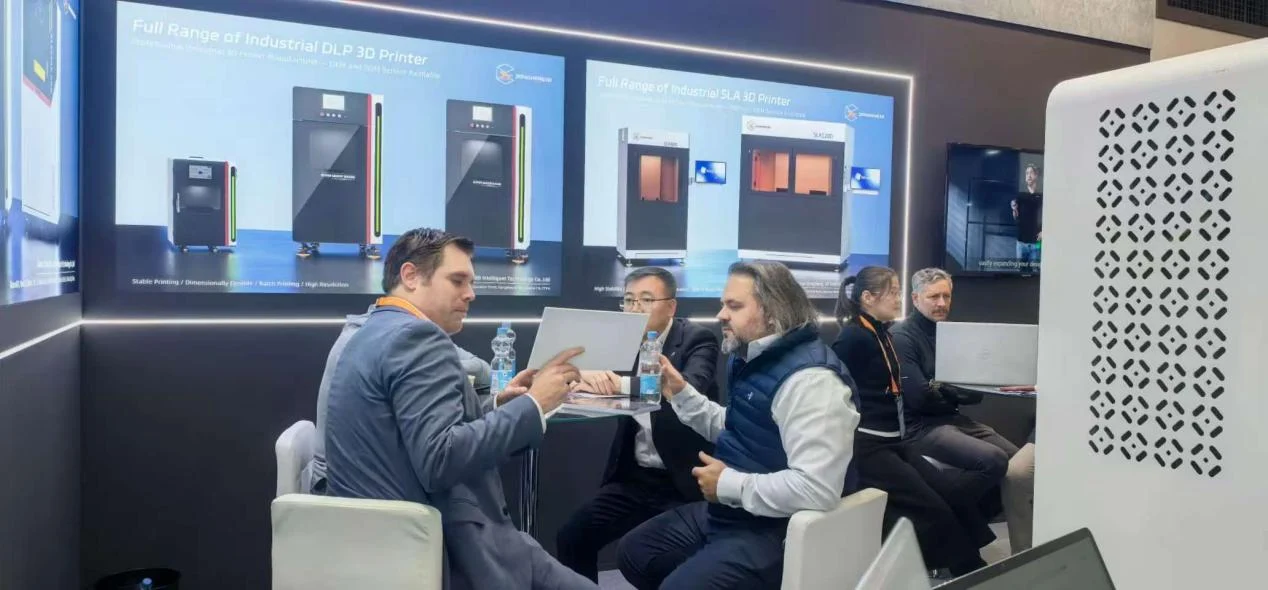
Selecting the suitable Tri-Dimensional printing approach can be tough, especially when evaluating Precision Beam Fusion. While Extrusion Modeling provides basicness and economical nature, SLS offers unmatched room in substance selection and industrial sla 3d printer elaborate element drafting. Unlike Stereolithography, which is superior in creating fine exemplars, SLS facilitates the assembly of usable concluded pieces with distinguished structural specifications.
- Solid Laser Sintering is recommended for complex patterns.
- Fused Deposition Modeling is regularly more affordable.
- Vat Polymerization offers significantly finished surface quality.
Next-gen Materials for Laser Sintering 3D Printing
One swift advancement of laser sintering, a variant of 3D printing, leads to driven by the broadening choice of fresh materials. Formerly, exclusive to polymer-based substances like polymers, the sector actively considers a broad array of inorganic compounds, metal composites, and even fine-tuned hybrids of compounds. Inquiry programs are dedicated at increasing material properties, such as physical durability, thermodynamic persistence, and charge diffusion, to enable the fabrication of intricate pieces targeting demanding purposes like aerospace, therapeutic, and motor vehicle engineering. Besides, uninterrupted analysis into nano particles and their implantation together with existing laser sintering ingredients indicate major enhancements in efficiency.
Next Movements in Sintering 3D Printer Development
The future progression of sintering multi-dimensional equipment {development|progress|evolution|advancement|im