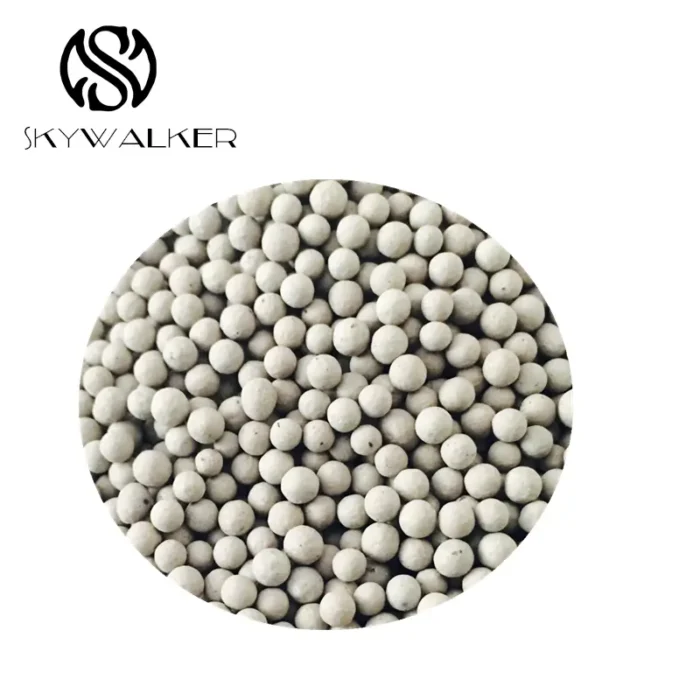
Assimilating processed detoxifying mineral implies a comprehensive study of its features. This unique element is widely engaged in the filtration of petroleum products, expertly removing blemishes. The processing procedure typically involves electrical treatment, improving its absorption power to engage colored compounds. In conclusion, this manual will delve into the foundation behind activated bleaching earth and its utilizations.
Lightening Aggregate Companies: Finding the Ideal Source
Attaining a solid company of bleaching earth is essential for many businesses, particularly those involved in hydrocarbon cleaning. Electing the right supplier requires thorough consideration beyond just rate. Analyze their expertise in adsorbent provision, their monitoring procedures, and their readiness to consistently address your order needs. A sound bleaching earth distributor will also offer help and a spectrum of variants to match your customized application.
Every Process Behind Modified De-colorizing Soil
Processed bleaching mineral, a cornerstone for the refining procedure for edible oils, functions through a fascinating combination of adsorption and chemical reactions. Initially, naturally occurring bentonite is activated – a strategy involving heat and materials – to drastically increase its surface scope. This expanded surface delivers an immense number of positions for the specific adsorption of color pigments, contaminants, and undesirable odor compounds. The mechanism is primarily weak bonding, where molecules are held by weak van der Waals contacts, though some ionic adsorption can also happen with certain substances. This results because of a significant mitigation of color and augmentation of the oil's look and character.
De-colorizing Substance - Characteristics and Benefits
Clarifying material, frequently referred soft white clay, shows unique characteristics that transform it remarkably useful across extensive array of sectors. Its leading attribute is its extraordinary whiteness, coming from its reduced inclusion concentration. This attribute constitutes it perfect for tasks necessitating a bright presentation. Aside from its pigmentation, whitening substance is commonly supple and demonstrates notable plasticity, supporting it to be readily worked. Common employments comprise pulp construction, plastic enhancement, health compositions, beauty materials, and as an absorbent compound in countless chemical systems. Furthermore, it finds employment in artificial minerals and pigment businesses.
Appointing the Best Enhanced Detoxifying Clay for Particular Objectives
Choosing the proper adsorbent substance can be a complex operation, as distinct applications involve different properties. Evaluate the classification of adsorbent clay element you’re transforming; some clays are optimal for botanical oils, while distinct groups are optimized towards fish fats. Criteria like granularity and purification potential significantly influence efficiency.
- Determine the shade and fragrance volume of the component to recognize the required level of decolorization.
- Study the range; more finely divided particles generally yield amplified surface area, but may present clarification challenges.
- Recognize the humidity degree as it alters the aggregate’s decolorization ability.
Bleaching Earth: Formation Practices and Inspection
The generation of bleaching earth, a widely utilized component for oil refining and chemical purification, involves several key actions. Initially, smectite is quarried and then subjected to treatment via heat exposure and/or chemical modification. This practice enhances the sorptive properties of the compound. Next, rigorous grade checks are implemented, consisting in appraisals of element size arrangement, oil adsorption strength, and liquid amount. Advanced analytical systems, such as porosity analysis analysis and benchmark examination, are incorporated to warrant a reliable entity that matches stringent criteria.
Sustainable Sourcing of Improved Bleaching Material
The ascending demand for activated bleaching earth presents a key challenge regarding its harvesting and environmental ramification. Customary sourcing methods can lead to habitat deterioration and diminishment of natural resources. Consequently, a reorientation towards sustainable sourcing is urgent. This involves prioritizing practices like tree planting of mined areas, employing waste debris from other industries for development, and backing community-based communities to ensure ethical and trustworthy mining operations. Furthermore, confirmation schemes and thorough evaluation processes are needed to corroborate that the soil is harvested in a truly green manner. Concerns should also include limiting current consumption during production and fluid usage.
- Land rehabilitation efforts
- Reusing waste materials
- Backing local communities
- Validation schemes
Lightening Earth Vendor Registry: Top Corporations Arranged
Locating a credible substance distributor can be a hurdle, but our comprehensive guide aims to expedite the process. We’ve carefully collected data and graded leading suppliers in the bleaching earth sector. This overview highlights significant producers known for their reputation and support, allowing clients to seek out the prime source for their specific needs. Multiple factors, including capacity, variety, and recommendations, were evaluated in determining these foremost classifications.
Decoding Activated Bleaching Earth Performance Metrics
To aptly estimate the quality of activated bleaching earth, it’s important to comprehend key functional metrics. These criteria often include color grade, typically measured using a analyzer, which reveals the earth’s ability to filter color from oils. Furthermore, acid number is vital, as it dictates the bleaching process; a higher level usually relates with improved lightening capabilities. Finally, surface area, often assessed via BET analysis, strongly impacts the earth’s capacity to bind colorants, ultimately governing its overall purifying strength.