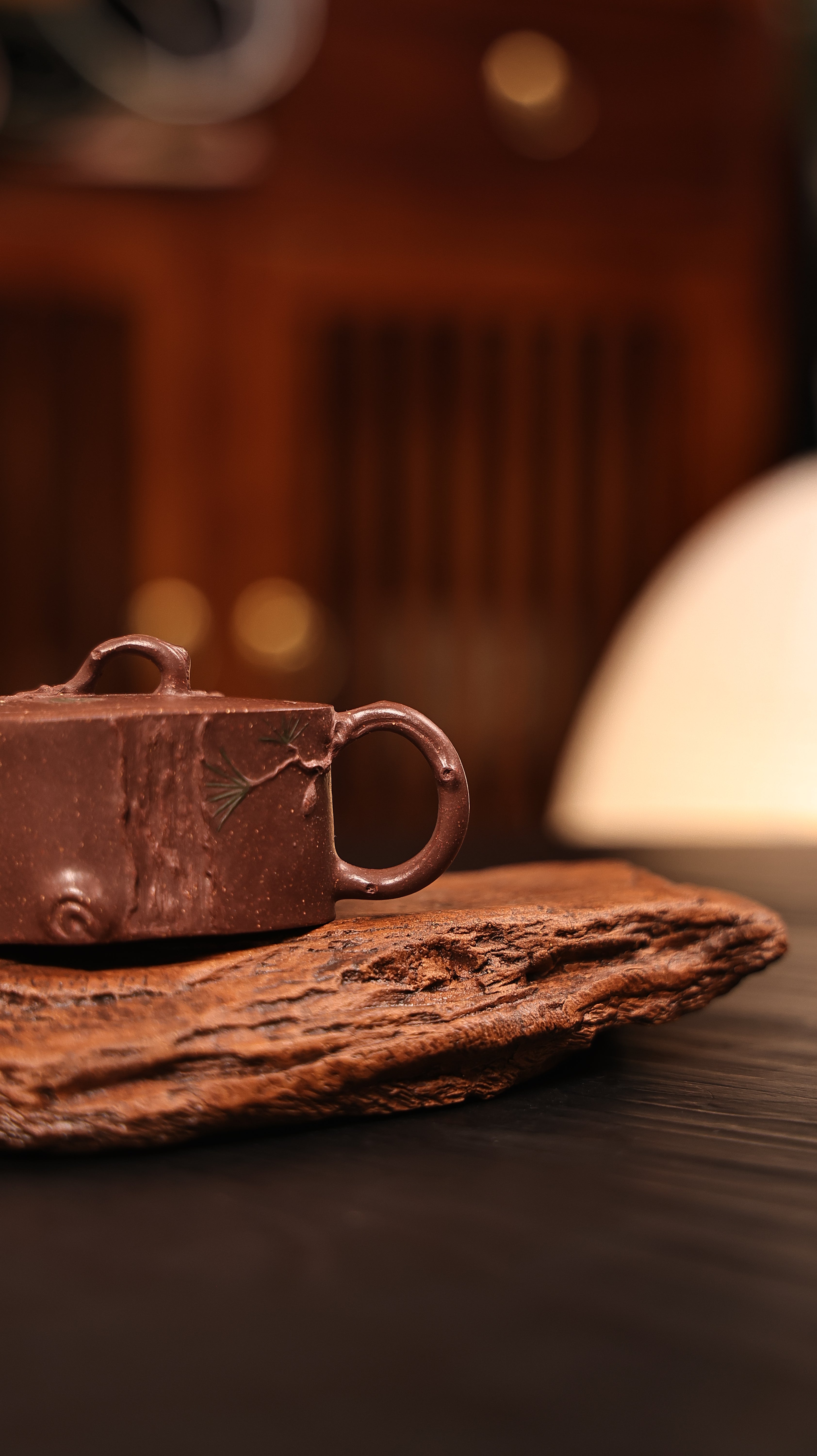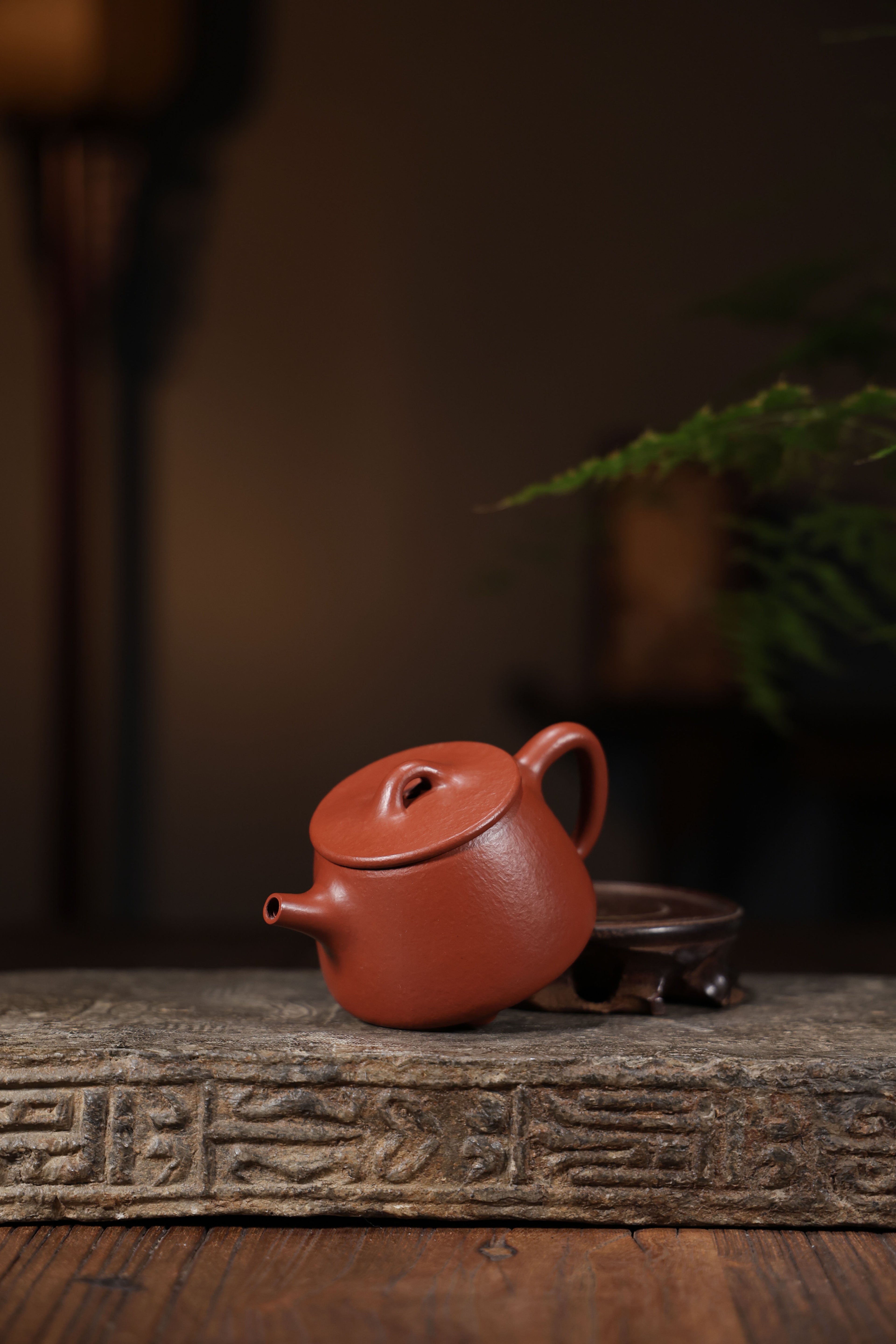
Throughout enduring chronicles,
Over centuries, gatherers have been captivated by the exceptional charm of Yixing Zisha urns. Originating from the zone of Yixing in the Chinese province, these objects are renowned for their preeminent beauty, limited clay, and innate ability to raise the bouquet of the steeping. The substratum's distinctive purple-red hue, combined with the skillful creation of provincial builders, creates works that are at once functional productions and costly financial interests. Obtaining a Zisha teapot is more than just such a purchase; it's inviting a rich civilizational heritage.
Examining Yixing Teapots: Saga, Styles, and Price
Celebrated Yixing teapots serve as a deep legacy deeply intertwined with Chinese culture. Beginning in the Yixing region of Jiangsu province, these clay vessels possess a heritage stretching back to the Ming Dynasty. Former examples were functional, but through centuries, Yixing teapot creation evolved into an esteemed art form. The clay itself, known for its unique grain and ability to augment the flavor of the tea, remains a defining factor. Yixing teapots come in various versions, broadly categorized by shape: Established such as Zhuni (purple clay) and Bisheng, as well as advanced designs. The price of a Yixing teapot is on several factors, including the potter’s acclaim, the age of the piece, the rarity of the clay, and its aesthetic beauty.- Heritage: Early periods
- Medium: Assorted selections
- Assessment Factors: Scarcity
Zisha Claycraft: Approaches and Artists
Unique construction of a genuine Zisha teapot is a elaborate process, requiring periods of expertise. Veteran artisans meticulously pick the finest Zisha clay, a exclusive earth found only in specific regions of China. Time-honored techniques, often bequeathed through families, involve accurate shaping, nuanced carving, and deliberate firing in ancient ovens. The culminating teapot isn't merely a receptacle; it's a testament to design vision and the intense connection between the potter and their ancestry. Each item showcases the singular touch of the artisan, resulting in a truly incomparable work of craft.
Ancient Pottery: Delving into the Deep Practices of the Yixing Region
Historic Yixing, situated in Jiangsu the area, is globally renowned for its exceptional ceramics – a tangible representation of centuries of Chinese creative legacy. These aren't merely vessels for steeping tea; they are intricate works Chinese Teapot of creativity, often reflecting cultural ideals. That unique purple clay, known as Zisha, possesses uncommon qualities: it is dense, ventilated, and imparts a subtle flavor to the tea.
- Countless bloodlines have honed the techniques of Yixing teapot making, passing down preserved methods through times.
- Collectors prize these pieces for their appearance and oddity.
- Particular pot tells a legend, connecting the recipient to a rich past.
Considering Yixing Zisha: Essential Tips
While evaluating obtaining Yixing Zisha earthenware, several elements necessitate careful analysis. At the outset, the ingredient's color is crucial; authentic Zisha generally exhibits a particular carmine depth. Also, evaluate the workmanship; sharp elements and a flawless layer show competent construction. Finally, research the maker’s history; esteemed names bring increased premiums and often provide a better appreciation.
Zisha Pot Techniques for Tea Brewing
Infusing savory tea with a Zisha urn is more beyond a simple procedure; it's an discipline. Zisha clay, celebrated for its unique earthen composition, imparts a subtle character to the made tea that’s often deficient with other utensils. The ideal water degree is crucial; typically, lower than what's used for black tea, to protect the tea's essence and quality. Consider meticulously the tea selection; delicate green teas or aged pu-erhs thrive from the Zisha’s ability to reduce their primitive edge. It’s essential to cleanse the teapot prior to brewing, and to neglect over-steeping. Mastering this craft leads to a sincerely exceptional tea enjoyment.
- Recognizing Zisha Clay
- Temperature Control & Tea Category
- Criticality of Initial Heating
Maintaining Your Yixing Earthenware
So as to guarantee the persistence of your valuable Yixing clay pot, systematic preservation is absolutely mandatory. Refrain from using soap; instead, lightly wash it with pleasantly heated fluid. Avoid sharp heat; refrain set the ceramic pot directly onto a scorching support. Periodically, enhance the teapot by soaking it with high-quality matured brew, as this facilitates to enhance its nature and safeguards the peculiar attributes of the component.
Regarding Earth to Cup: The Course of a Classic Container
A creation of a Zisha teapot is a astonishing system, a testament to both the globe's bounty and the skill of the creator. It opens with the meticulous extraction of the exclusive clay from the crimson Zisha mines close to Yixing. This pure material, known for its exquisite features, is then methodically clarified and shaped for the early forming. The bottle’s design is masterfully assembled using a mix of classical sculpting practices, often incorporating complex motifs. Following aging, the vessel undergoes a essential first firing, accompanied by a varnishing stage, which might involve countless layers of natural Zisha coatings. Finally, a second, and sometimes third, firing at elevated temperatures finishes the product, revealing its resolved beauty and exceptional characteristics - a genuine masterpiece, prepared to adorn a tea practice.
{Yixing Teapots: A Reflection of a Customary Practice and Appreciation
The Yixing region teapots, originating from the celebrated Yixing region of Jiangsu province, are far more than mere receptacles for brewing elixirs; they represent a major aspect of Chinese civilization. Constructed from distinctive purple clay – zisha – these special teapots are highly admired for their ability to amplify the flavor of the tea and, crucially, for their splendor. The annals of Yixing teapot making spans centuries, and the know-how involved is passed down through generations, making each teapot a work of art that embodies time-honored techniques and a profound appreciation for the simple pleasures in life.