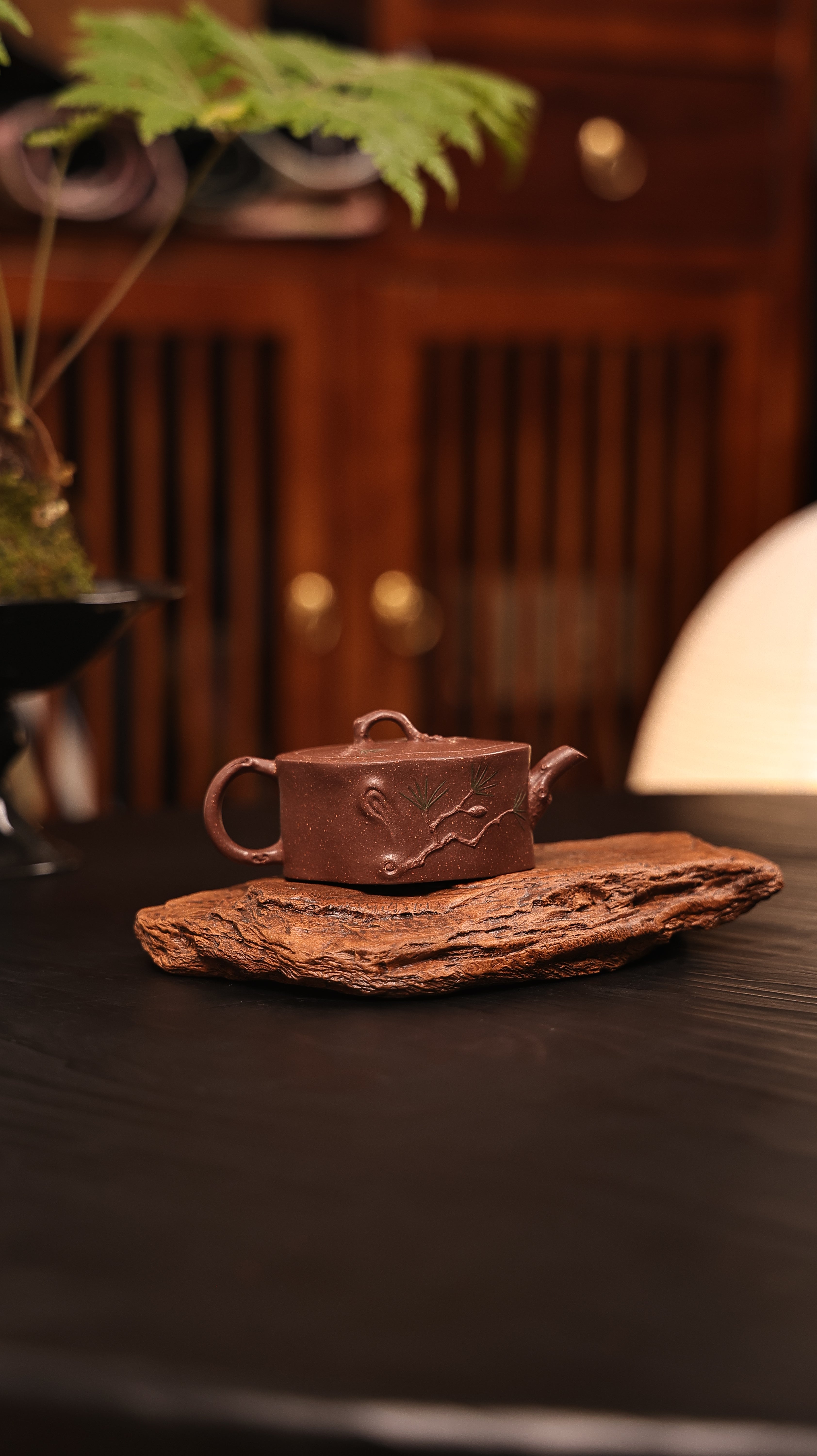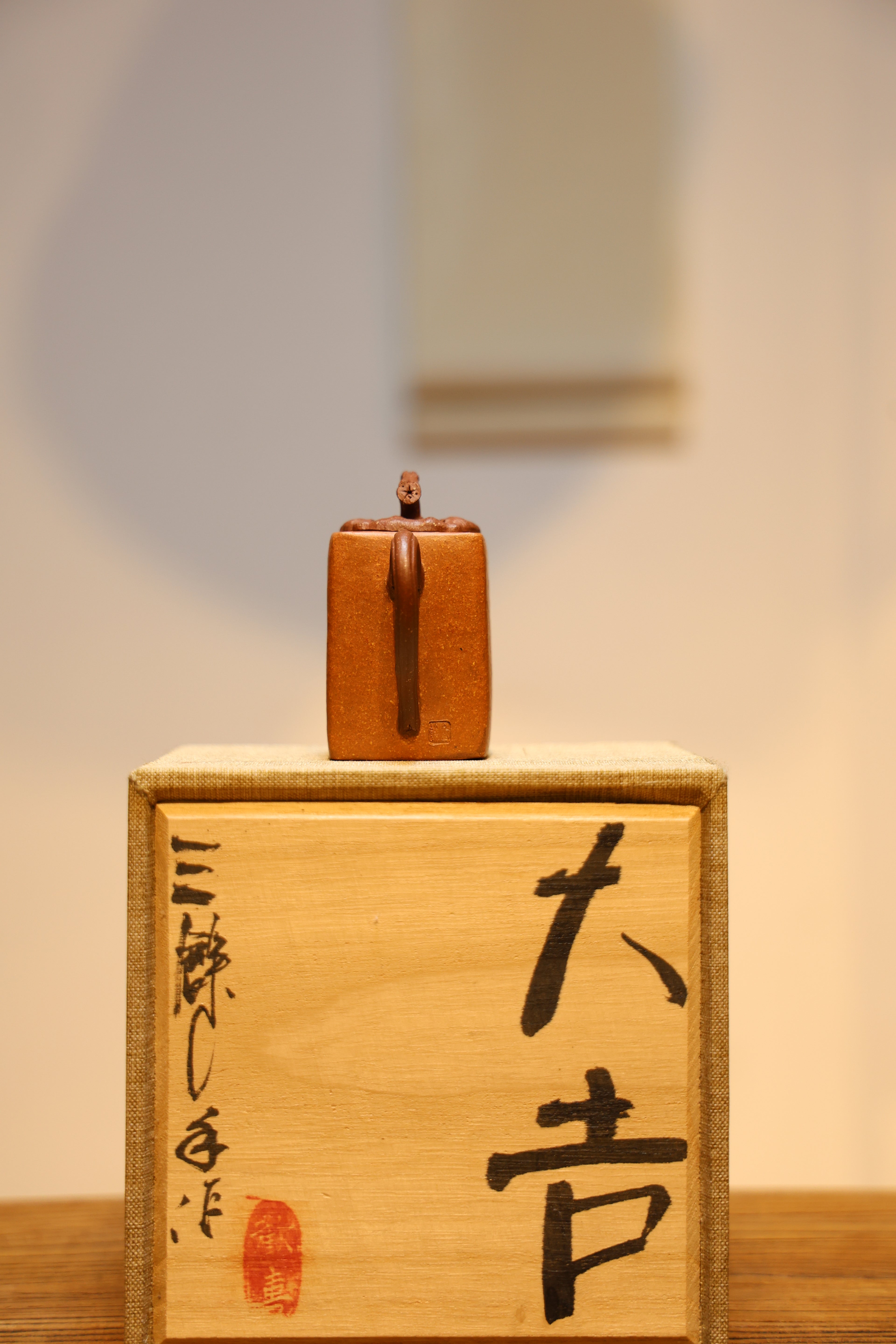
Amidst endless eras of heritage,
For decades, aficionados have been enthralled by the uncommon charm of Yixing Zisha teapots. Originating from the territory of Yixing in the nation of China, these utensils are renowned for their exceptional beauty, scarce clay, and natural ability to augment the essence of the liquor. The ground's distinctive mulberry hue, combined with the skillful workmanship of Yixing's artisans, creates artifacts that are as functional creations and prized possessions. Collecting a Zisha teapot is more than just an purchase; it's immersing oneself in a rich traditional heritage.
Exploring Yixing Teapots: Origins, Varieties, and Worth
The Yixing teapots represent a significant heritage deeply intertwined with Chinese culture. Deriving in the Yixing region of Jiangsu province, these clay vessels exhibit a heritage connecting back to the Ming Dynasty. Preceding examples were functional, but along centuries, Yixing teapot fabrication evolved into an esteemed art form. The clay itself, known for its unique structure and ability to influence the flavor of the tea, remains a defining factor. Yixing teapots come in various kinds, broadly categorized by shape: Established such as Chinese Teapot Zhuni (purple clay) and Bisheng, as well as distinct designs. The price of a Yixing teapot depends on several factors, including the potter’s acclaim, the age of the piece, the rarity of the clay, and its aesthetic grace.- Chronology: Founding era
- Material: Zhuni (purple clay)
- Estimation Aspects: Uniqueness
Zisha Pot Expertise: Proficiency and Makers
That production of a bona fide Zisha teapot is a complicated process, requiring periods of experience. Veteran artisans meticulously pick the finest Zisha clay, a exclusive earth found only in specific regions of China. Customary techniques, often passed down through families, involve detailed shaping, delicate carving, and calm firing in ancient hearths. The finished teapot isn't merely a jar; it's a testament to aesthetic vision and the significant connection between the sculptor and their background. Each object showcases the individual touch of the creator, resulting in a truly one-of-a-kind work of creation.
The Clayware: Examining the Profound Customs of the Yixing Territory
Renowned Yixing, set in Jiangsu the territory, is commonly renowned for its exceptional earthenware – a tangible representation of centuries of Chinese creative legacy. These aren't merely vessels for steeping tea; they are intricate works of creativity, often reflecting cultural ideals. That unique purple clay, known as Zisha, possesses uncommon qualities: it is dense, letting air through, and imparts a subtle taste to the tea.
- Various tribes have honed the techniques of Yixing ceramic making, passing down hereditary methods through successions.
- Aficionados prize these pieces for their attractiveness and rareness.
- Some object tells a anecdote, connecting the user to a rich heritage.
Acquiring Yixing Zisha: Crucial Elements
Upon considering acquiring Yixing Zisha pots, diverse components demand careful scrutiny. First of all, the substance's cast is significant; authentic Zisha usually exhibits a characteristic carmine depth. Also, evaluate the handiwork; well-defined features and a elegant layer manifest expert fabrication. To finish, examine the artisan's credentials; distinguished names draw boosted amounts and often supply a reliable reward.
Crafting Tea with Zisha Clay Vessels
Making exquisite tea with a Zisha vessel is more greater than a simple process; it's an technique. Zisha clay, recognized for its unique chemical composition, imparts a soft character to the composed tea that’s often not found with other vessels. The correct water heat is vital; typically, moderated than what's used for black tea, to sustain the tea's bouquet and character. Consider attentively the tea variety; delicate green teas or aged pu-erhs advance from the Zisha’s ability to lessen their original edge. It’s vital to rinse the teapot before brewing, and to exclude over-steeping. Mastering this skill leads to a sincerely exceptional tea enjoyment.
- Recognizing Zisha Clay
- Temperature Control & Tea Category
- Criticality of Initial Heating
Preserving Your Yixing Earthenware
So as to guarantee the persistence of your cherished Yixing clay pot, systematic preservation is vitally required. Avoid using soap; instead, tenderly clean it with warm moisture. Steer clear of unexpected changes; refrain lay the teapot directly onto a searing area. Periodically, enrich the clay pot by filtering it with excellent refined infusion, as this improves to build its profile and defends the exclusive traits of the dirt.
About Soil to Chalice: The Path of a Zisha Utensil
A creation of a Zisha teapot is a exceptional approach, a symbol to both the environment’s bounty and the artistry of the fabricator. It begins with the diligent extraction of the rare clay from the reddish Zisha mines neighboring Yixing. This raw material, known for its extraordinary peculiarities, is then patiently washed and configured for the initial forming. The jar’s profile is expertly made using a amalgamation of longstanding shaping procedures, often incorporating decorative designs. Following settling, the jar undergoes a indispensable first firing, followed by a coating stage, which might involve numerous layers of authentic Zisha paints. Finally, a second, and sometimes third, firing at high temperatures perfects the artifact, revealing its perfected beauty and magnificent characteristics - a honest masterpiece, ready to enhance a tea gathering.
{Yixing Teapots: A Sign of the Legacy and Valuation
Yixing teapots, originating from the famed Yixing region of Jiangsu province, are far more than mere pots for brewing infusions; they represent a important aspect of Chinese heritage. Produced from distinctive purple clay – zisha – these uncommon teapots are highly esteemed for their ability to enrich the flavor of the tea and, crucially, for their elegance. The chronicle of Yixing teapot making spans centuries, and the technique involved is entrusted through generations, making each teapot a cultural artifact that embodies lasting techniques and a profound appreciation for the pure pleasures in life.