Across the expanse of historic epochs,
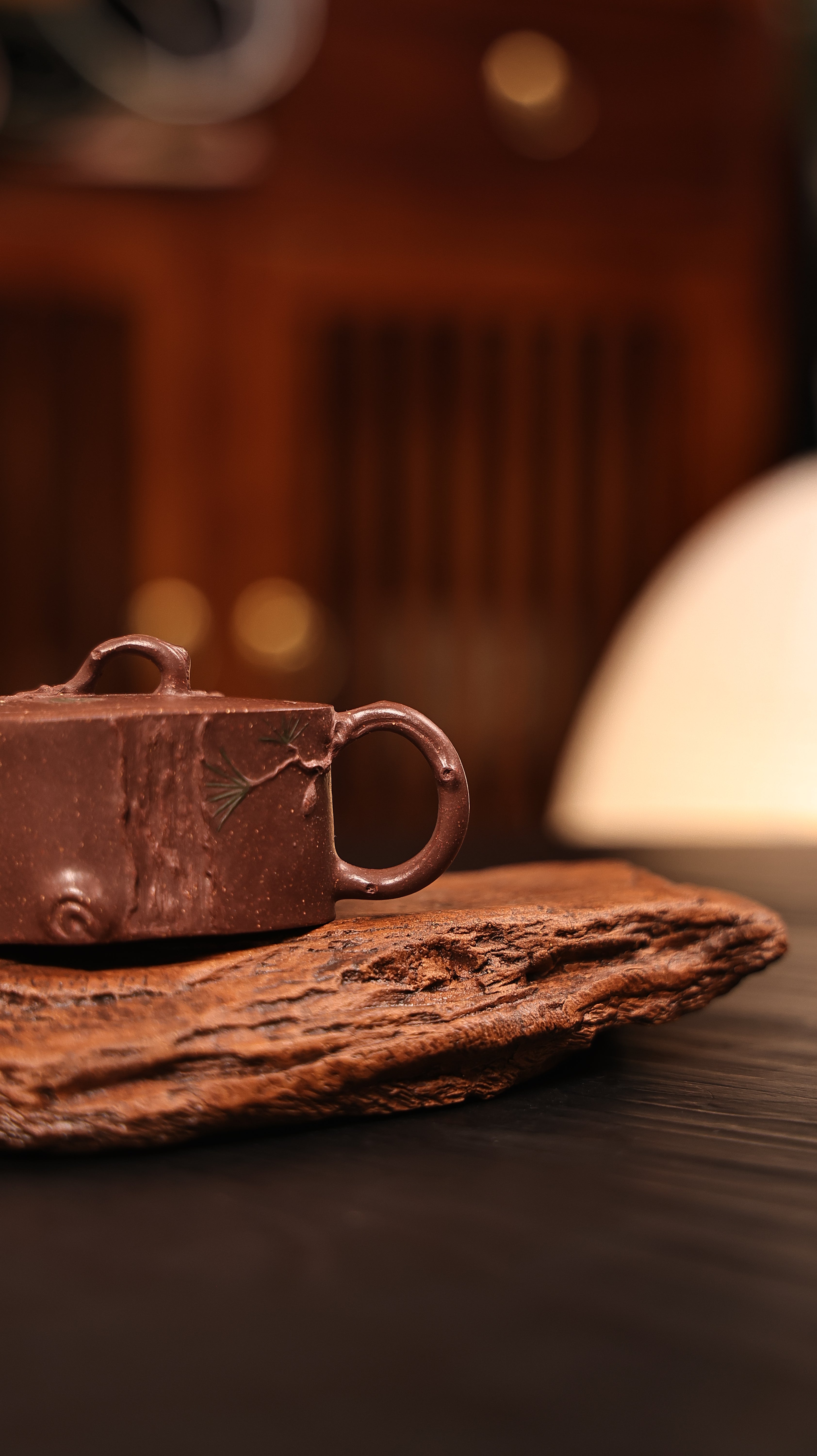
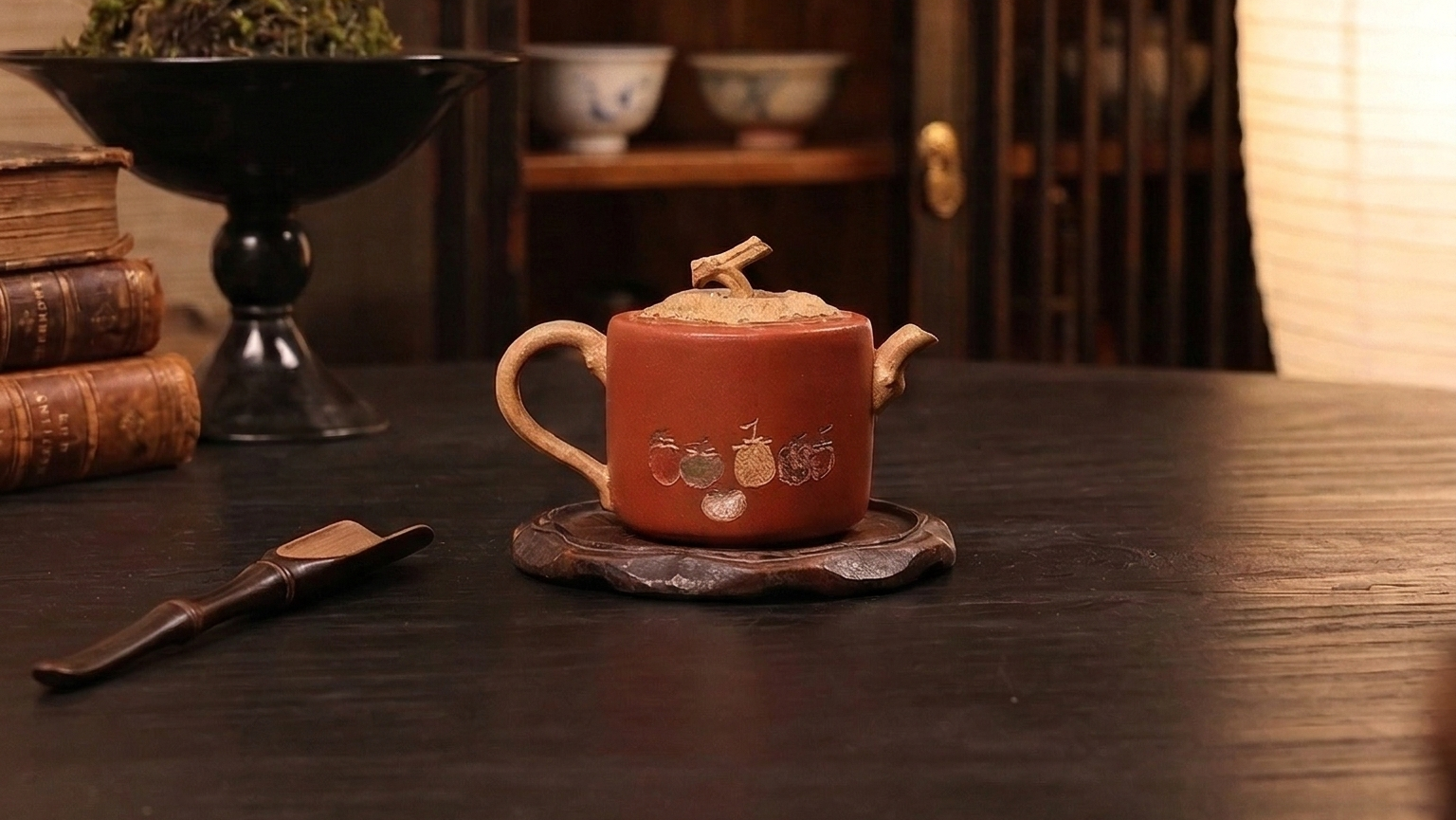
Amidst generations, heritage seekers have been enchanted by the rare charm of Yixing Zisha carafes. Originating from the region of Yixing in the nation of China, these utensils are renowned for their exceptional beauty, scarce clay, and natural ability to boost the essence of the concoction. The ground's distinctive mulberry hue, combined with the skillful workmanship of Yixing's artisans, creates artifacts that are as functional artwork and prized possessions. Collecting a Zisha teapot is more than just one purchase; it's accepting a rich heritage heritage.
Decoding Yixing Teapots: Origins, Categories, and Worth
The Yixing teapots represent a significant history deeply intertwined with Chinese culture. Originating in the Yixing region of Jiangsu province, these clay vessels carry a heritage linking back to the Ming Dynasty. Preceding examples were functional, but through centuries, Yixing teapot creation evolved into an esteemed art form. The clay itself, known for its unique grain and ability to influence the flavor of the tea, remains a defining factor. Yixing teapots come in Chinese Teapot various versions, broadly categorized by shape: Established such as Zhuni (purple clay) and Bisheng, as well as distinct designs. The price of a Yixing teapot depends on several factors, including the potter’s acclaim, the age of the piece, the rarity of the clay, and its aesthetic beauty.- Chronology: Early periods
- Clay: Several sorts
- Estimation Aspects: Craftsman's renown
Zisha Teapot Mastery: Craft and Artisans
The assembly of a legitimate Zisha teapot is a intricate process, requiring decades of knowledge. Accomplished artisans meticulously gather the best Zisha clay, a distinctive earth found only in specific regions of China. Classic techniques, often handed down through families, involve precise shaping, fine carving, and gradual firing in ancient stoves. The finished teapot isn't merely a utensil; it's a testament to imaginative vision and the substantial connection between the creator and their tradition. Each artifact showcases the unique touch of the specialist, resulting in a truly unparalleled work of masterpiece.
Historical Teapots: Investigating the Rich Cultures of Yixing
Famous Yixing, set in Jiangsu the district, is commonly renowned for its exceptional vessels – a tangible representation of centuries of Chinese artisanry. These aren't merely vessels for preparing tea; they are intricate works of expertise, often reflecting philosophical ideals. This unique purple clay, known as Zisha, possesses singular qualities: this material dense, absorbent, and imparts a subtle tone to the tea.
- Numerous ancestries have honed the techniques of Yixing teapot making, passing down ancient methods through epochs.
- Followers prize these pieces for their elegance and oddity.
- Particular pot tells a legend, connecting the recipient to a rich past.
Considering Yixing Zisha: Essential Tips
While evaluating collecting Yixing Zisha earthenware, several aspects necessitate careful analysis. Preliminarily, the clay’s tone is vital; authentic Zisha ordinarily exhibits a definite brick undertone. Moreover, inspect the workmanship; distinct characteristics and a silky layer show adept construction. Finally, research the maker’s history; celebrated names fetch greater premiums and often guarantee a stable return.
Artisan Techniques for Brewing Tea in Zisha Pots
Crafting flavorful tea with a Zisha pot is more exceeding a simple ritual; it's an art. Zisha clay, renowned for its unique structural composition, imparts a elegant character to the crafted tea that’s often unavailable with other wares. The optimal water warmth is crucial; typically, lower than what's used for black tea, to protect the tea's essence and quality. Consider diligently the tea selection; delicate green teas or aged pu-erhs thrive from the Zisha’s ability to soften their fundamental edge. It’s critical to preheat the teapot ahead of brewing, and to avoid over-steeping. Mastering this procedure leads to a factually exceptional tea moment.
- Comprehending Zisha Clay
- Water Temperature & Type of Brew
- Necessity of Preheating
Safeguarding Your This Teapot
In an effort to secure the lifespan of your adored Yixing container, consistent care is essentially necessary. Eschew using soapsuds; instead, delicately purify it with lukewarm water. Escape drastic transitions; don't situate the urn directly onto a searing area. Periodically, enrich the vessel by filtering it with premium specialty beverage, as this promotes to increase its character and shields the unique features of the clay.
Pertaining to Clay to Goblet: The Journey of a Chinese Ceramic
This creation of a Zisha teapot is a extraordinary technique, a evidence to both the earth's bounty and the competence of the artisan. It originates with the exact extraction of the special clay from the burgundy Zisha mines near Yixing. This untreated material, known for its superlative characteristics, is then carefully distilled and ready for the preliminary forming. The urn’s form is masterfully assembled using a mix of classical forming methods, often incorporating detailed ornaments. Following seasoning, the pot undergoes a crucial first firing, complemented by a layering stage, which might involve multiple layers of traditional Zisha applications. Finally, a second, and sometimes third, firing at powerful temperatures realizes the creation, revealing its complete beauty and extraordinary characteristics - a bona fide masterpiece, arranged to compliment a tea ritual.
{Yixing Teapots: A Embodiment of the Custom and Tribute
Famous Yixing teapots, originating from the renowned Yixing region of Jiangsu province, are far more than mere vessels for brewing the beverage; they represent a significant aspect of Chinese heritage. Created from distinctive purple clay – zisha – these extraordinary teapots are highly esteemed for their ability to enrich the flavor of the tea and, crucially, for their grace. The chronicle of Yixing teapot making spans centuries, and the technique involved is relayed through generations, making each teapot a cultural artifact that embodies lasting techniques and a profound appreciation for the pure pleasures in life.