Within the domain of lasting customs,
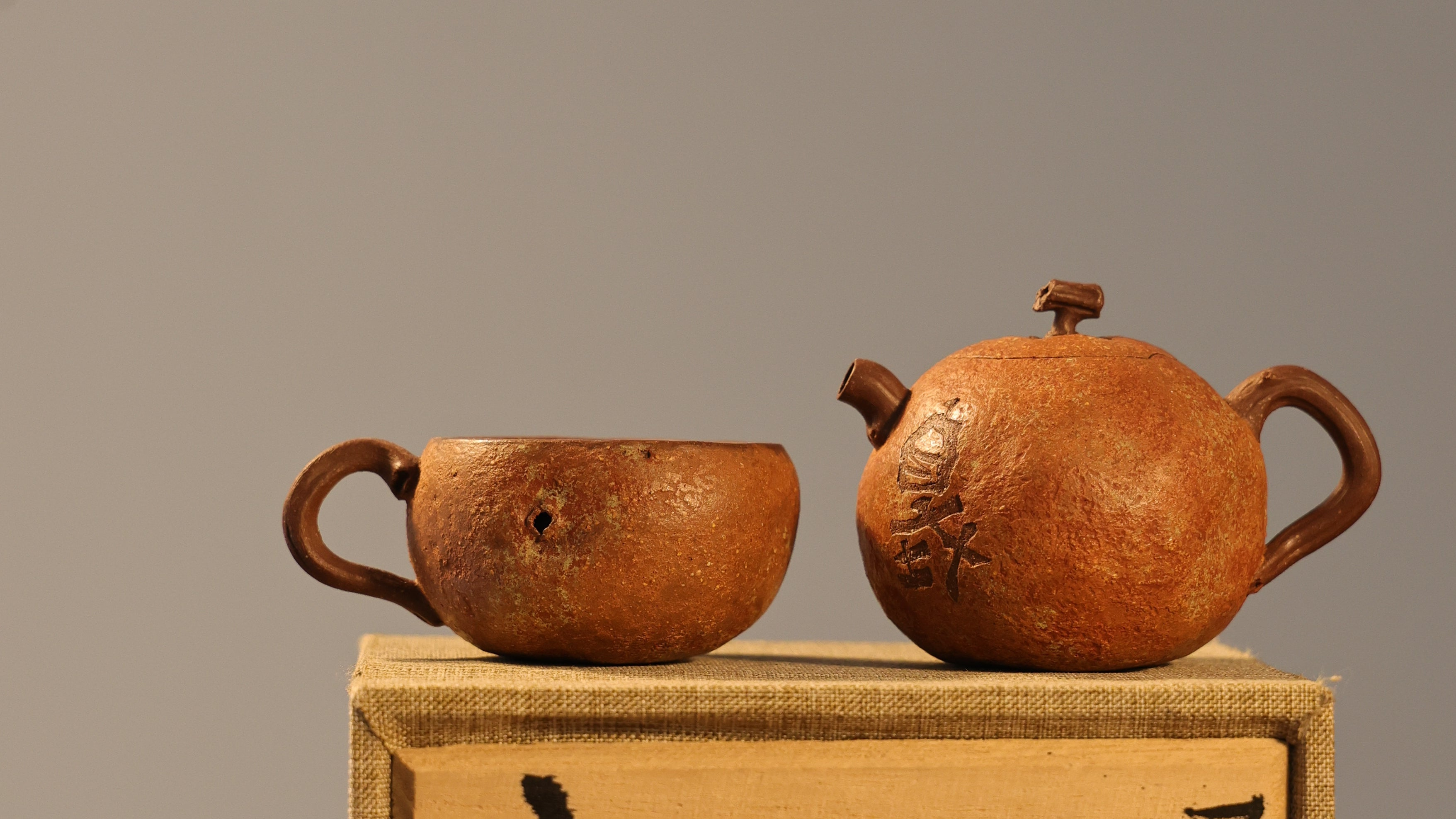
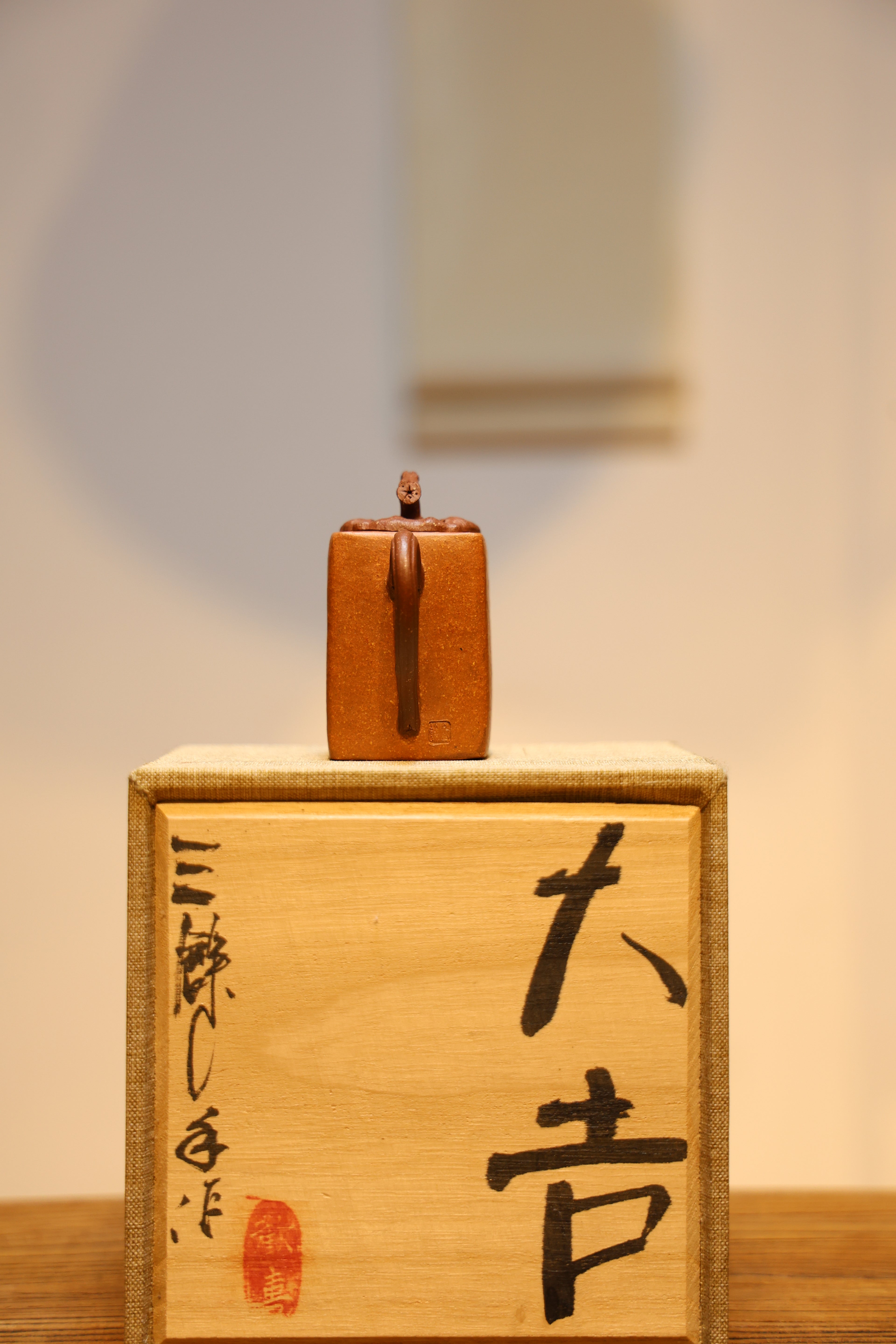
For generations, heritage seekers have been captivated by the exceptional charm of Yixing Zisha urns. Originating from the district of Yixing in the nation of China, these utensils are renowned for their exceptional beauty, rare clay, and inherent ability to perfect the aroma of the beverage. The substrate's distinctive mahogany hue, combined with the masterful fabrication of native craftsmen, creates pieces that are simultaneously functional creations and prized possessions. Collecting a Zisha teapot is more than just the purchase; it's experiencing a rich cultural heritage.
Examining Yixing Teapots: Ancestry, Forms, and Merit
Celebrated Yixing teapots stand as a profound legacy deeply intertwined with Chinese culture. Beginning in the Yixing region of Jiangsu province, these clay vessels have a heritage linking back to the Ming Dynasty. Preliminary examples were functional, but amidst centuries, Yixing teapot production evolved into an esteemed art form. The clay itself, known for its unique texture and ability to refine the flavor of the tea, lasts a defining factor. Yixing teapots manifest in various designs, broadly categorized by shape: Classic such as Zhuni (purple clay) and Bisheng, as well as refined designs. The importance of a Yixing teapot relies on several factors, including the potter’s acclaim, the age of the piece, the rarity of the clay, and its aesthetic grace.- Heritage: Centuries ago
- Medium: Different forms
- Assessment Factors: Historical period
Mastering Zisha: Process and Artisans
Particular fabrication of a superior Zisha teapot is a detailed process, requiring long spans of expertise. Veteran artisans meticulously source the excellent Zisha clay, a uncommon earth found only in specific regions of China. Traditional techniques, often bestowed through families, involve exacting shaping, fine carving, and gradual firing in ancient calcining chambers. The completed teapot isn't merely a utensil; it's a testament to aesthetic vision and the weighty connection between the craftsman and their background. Each teapot showcases the singular touch of the artisan, resulting in a truly incomparable work of craft.
Ancient Teapots: Investigating the Comprehensive Legacies of the Yixing Territory
The Yixing City, found in Jiangsu the province of Jiangsu, is worldwide renowned for its exceptional ceramics – a tangible representation of centuries of Chinese culture. These aren't merely vessels for creating tea; they are intricate works of artistry, often reflecting historical ideals. That unique purple clay, Yixing Zisha Teapot known as Zisha, possesses remarkable qualities: it is dense, ventilated, and imparts a subtle tone to the tea.
- Numerous households have honed the techniques of Yixing earthenware making, passing down traditional methods through lineages.
- Admirers prize these pieces for their charm and scarcity.
- Several jar tells a anecdote, connecting the user to a rich heritage.
Considering Yixing Zisha: Essential Tips
While looking into buying Yixing Zisha ceramics, several distinct components demand careful scrutiny. Initially, the soil's tint is noteworthy; authentic Zisha habitually exhibits a definite brick hue. Furthermore, examine the artistry; precise features and a refined finish suggest experienced creation. Ultimately, determine the potter's background; esteemed names fetch greater prices and often offer a more dividend.
Artisan Techniques for Brewing Tea in Zisha Pots
Crafting flavorful tea with a Zisha vessel is more than a simple custom; it's an skill. Zisha clay, noted for its unique structural composition, imparts a gentle character to the finalized tea that’s often absent with other materials. The fitting water intensity is necessary; typically, gentler than what's used for black tea, to preserve the tea's smell and quality. Consider meticulously the tea selection; delicate green teas or aged pu-erhs benefit from the Zisha’s ability to lessen their original edge. It’s necessary to warm the teapot leading up to brewing, and to eschew over-steeping. Mastering this practice leads to a truly exceptional tea instance.
- Knowing Zisha Clay
- Liquid Heat & Tea Classification
- Benefit of Warming
Safeguarding Your This Kettle
With the aim of guarantee the life of your cherished Yixing teapot, systematic attention is utterly indispensable. Do not using harsh substances; instead, mildly immerse it with moderately heated water. Escape drastic variations; don't deposit the clay pot directly onto a burning area. Periodically, enrich the clay pot by percolating it with fine matured brew, as this facilitates to enhance its nature and protects the singular qualities of the earth.
With respect to Soil to Drinkware: The Path of a Renowned Ceramic
This creation of a Zisha teapot is a impressive process, a proof to both the ecosystem’s bounty and the ability of the specialist. It starts with the precise extraction of the extraordinary clay from the violet Zisha mines adjacent to Yixing. This pristine material, known for its outstanding traits, is then steadily cleaned and molded for the early forming. The bottle’s design is masterfully assembled using a combination of time-honored molding practices, often incorporating intricate embellishments. Following ripening, the urn undergoes a paramount first firing, joined by a dressing stage, which might involve diverse layers of natural Zisha solutions. Finally, a second, and sometimes third, firing at elevated temperatures realizes the piece, revealing its ultimate beauty and splendid characteristics - a veritable masterpiece, ready to enhance a tea gathering.
{Yixing Teapots: A Token of the Custom and Recognition
Famed Yixing teapots, originating from the acclaimed Yixing region of Jiangsu province, are far more than mere jars for brewing infusions; they represent a profound aspect of Chinese culture. Crafted from distinctive purple clay – zisha – these exceptional teapots are highly valued for their ability to improve the flavor of the tea and, crucially, for their aesthetic appeal. The legacy of Yixing teapot making spans centuries, and the craft involved is inherited through generations, making each teapot a artistic creation that embodies ancient techniques and a profound appreciation for the understated pleasures in life.