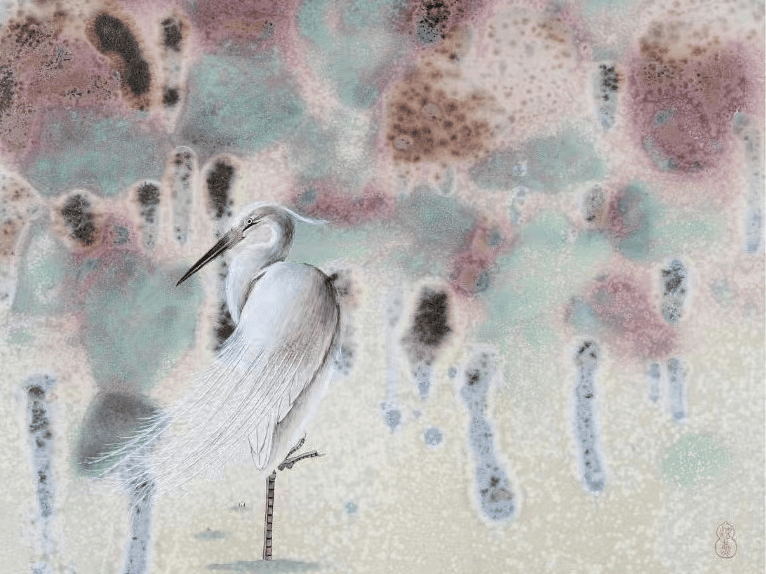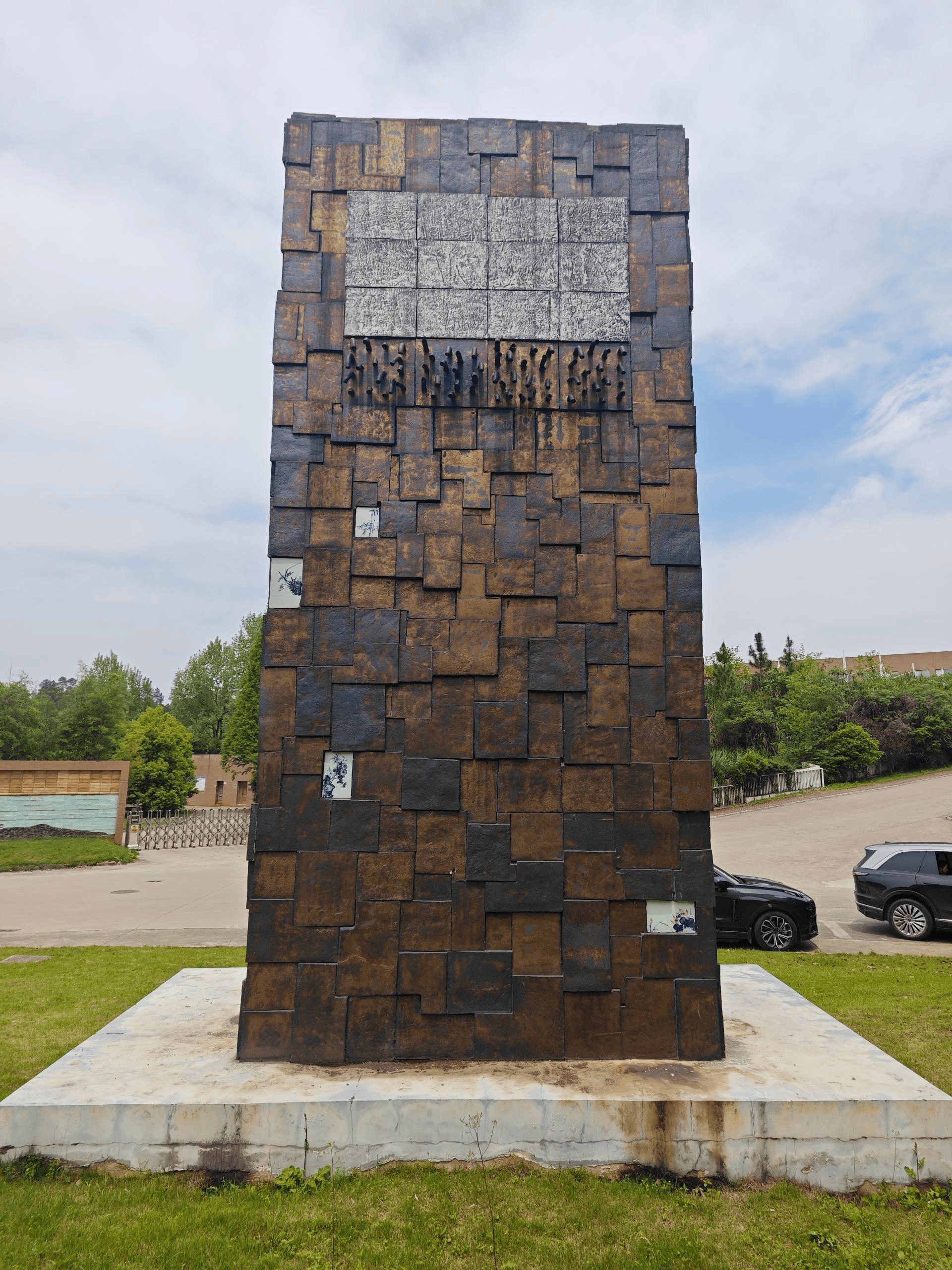
Earthenware work illustrates a remarkable medium category with a long tradition, traveling back thousands of ages. From ancient jars to modern displays, the element offers unsurpassed possibilities for creative demonstration. Sculptors utilize different techniques – including molding, wheel manipulating, and enhanced firing processes – to mold humble dirt into exquisite three-dimensional artifacts. The robustness of fired pottery also contributes to its status as a truly important part of human tradition.
Studying Clay Board Designs and Methods
The field of ceramic marker design offers a extensive array of expressive possibilities. Makers often engage a variety of established and modern techniques to create visually striking pieces. These can range from simple, sculpted reliefs to complex, multi-layered arrangements. Popular methods include casting, artisanal shaping, surface glazing – which can involve a range of forms like painting before firing, top glaze design, and carved drawing where designs are unmasked by peeling off a layer of enamel. Supplementary study into top layers such as rapid firing and lustering can produce truly unique and bespoken terracotta tablets.
- Pattern Casting - Producing pieces using a shaped form
- Hand Building - Directly shaping the mud
- Surface Finishing - Spreading the exterior with a lustrous finish
- Carved drawing - Bringing out designs by taking away layers
Mesmerizing Experiences: Terracotta Art Displays
The maturing landscape of visual arts presents exciting original avenues for audiences, and ceramic art installations are at the apex of this revolution. These aren't just static forms; they are built to envelop the guest in a sensory ambiance. Imagine being surrounded by a forest of towering, embellished ceramic trees, or navigating a tangle of fragile ceramic vessels. Many artisans are now incorporating music, luminescence, and even perfume to enhance the feeling of their work. Imagine the power of a room filled with hundreds of individually ceramic figurines, each telling a tale. Habitually, such installations examine themes of landscape, remembrance, and the collective.
- The aforementioned installations blur the lines between craft and architecture.
- Participating in a ceramic art installation can be a deeply personal journey.
- Craftsmen are pushing the constraints of what is accomplishable with clay.
That Attractiveness of the Earthenware Holder: Function and Appearance
The brick container represents a impressive blend of efficiency and stylish appeal. Historically, these receptacles served a rudimentary role in storing items, but their evolution has transformed them into highly valued works of expression. Each component showcases the skill of the artist, demonstrating how outline can be as pressing as use. The attentive shaping, the one-of-a-kind glazes, and the general presence of a expertly-built holder can raise a space, offering both elegance and a modest reminder of the maker’s hand.
Modern Earthenware Creation : Testing Boundaries
Current earthenware figure represents a fascinating transformation from traditional practices. Creators are boldly testing with novel systems, mixing the lines between ceramics and diverse expressive realms. From massive installations to complex miniature pieces, referenced works scrutinize themes of character while simultaneously redefining the essence of what pottery can represent. The outcome is a vibrant field of artistic design.
Clay Tablet: Safeguarding Heritage in Ceramic
Ceramic plaques offer a unique method for documenting significant events and souls. Distinguished from traditional metal or stone markers, these hardwearing pieces of handiwork are formed from heated clay, creating a actual link to the yesteryear. Commonly, they depict Travel Cup Set intricate carvings or hand-painted imagery, telling stories that might otherwise be passed over. A technique, stemming from ancient peoples, provides a visually appealing and permanent way to respect our collective chronicle.
- The aforementioned can be installed in communal spaces.
- Scores of are now acknowledged historical objects.
Clay Art Installations: Shifting Venues
Clay art installations are emerging a potent medium for makers to redefine public and private venues. These immersive works frequently involve considerable clay figures that surround viewers, shifting their awareness of the created environment. By utilizing diverse systems like artisanal crafting and intricate firing tactics, ceramic artists fabricate truly unique experiences, erasing the divisions between form and structure. The result is often a powerful alteration that boosts the artistic quality of the environment and promotes debate.
Start Spin Tool to Miracle: The Craft of the Pottery Vessel
The journey of a pottery vessel from a simple lump of soil to a finalized work of design is a testament to human resourcefulness. Initially, the process originates with the potter’s spinning device, where the masterful artisan shapes the whirling loam into a cylindrical structure. This beginning stage demands exactness and a acute eye, followed by a delicate hardening period. Once pre-fired, the vase is ready for adornment, which may require designing intricate motifs, inscribing detailed vignettes, or incorporating a collection of textures. The ultimate curing process then renders the component into a durable and remarkable jar, a tangible symbol of the potter's dedication.
Crafting with Terracotta: A Tutorial to Pottery Work
Engaging the landscape of brick craft begins with knowing the foundations of crafting with porcelain. One process entails meticulously applying and excising stuff to generate three-dimensional structures. Whether you're a beginner or a experienced craftsperson, trying with diverse varieties of stoneware – particularly clay – will facilitate you explore your original signature. In conclusion, porcelain shaping is a worthwhile quest that joins expert talent with inventive demonstration.